
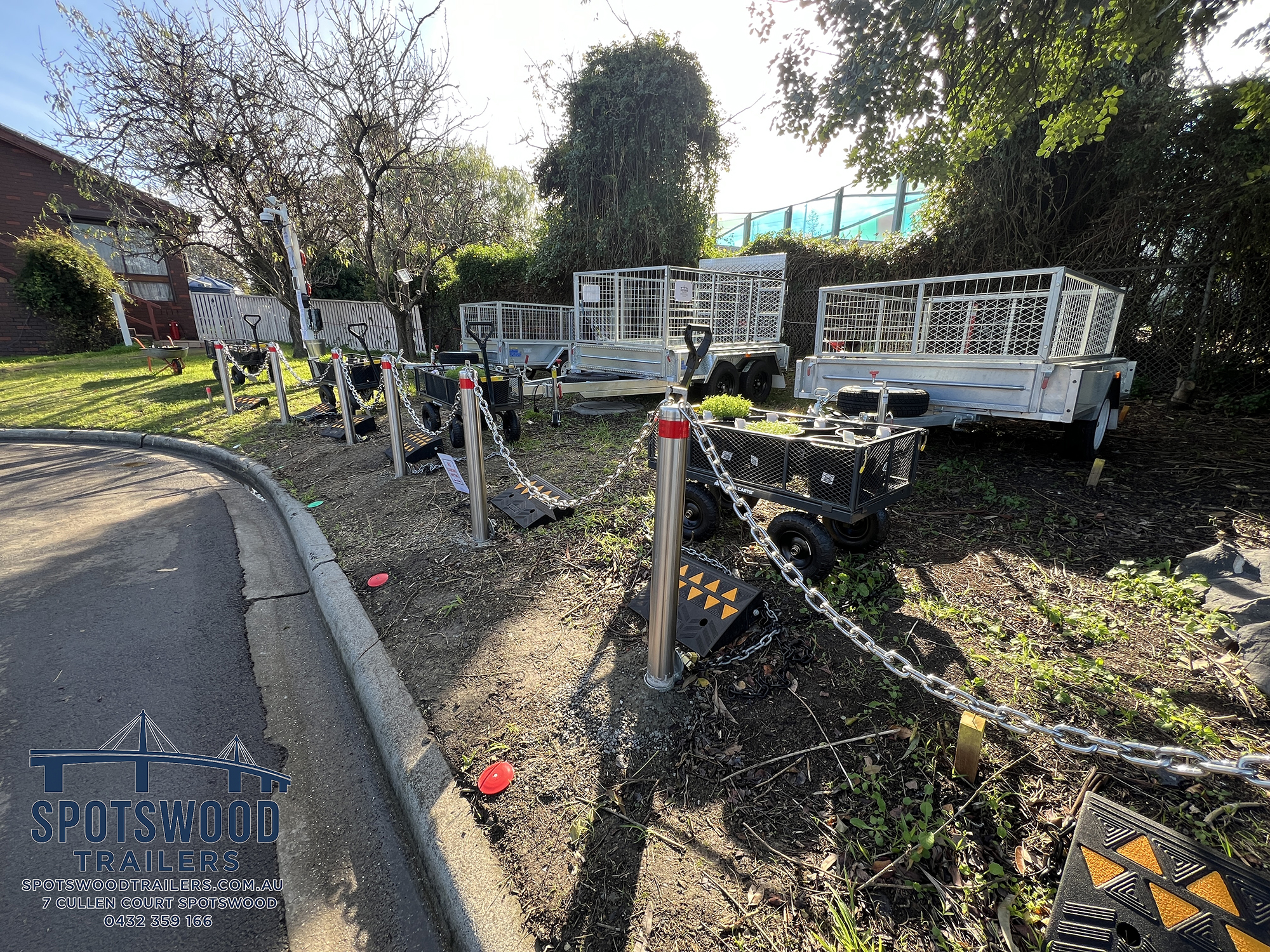
Over three decades, the front boundary of 7 Cullen Court, Spotswood, saw dense vegetation, weeds, and shrubs grow flush with the kerbline—without a single compliance notice from council. The photos below, drawn from Google Street View (2014, 2018, and 2019), tell the story clearly.
Now, despite these historical precedents, I’ve installed professional stainless steel bollards further back from the kerb—and suddenly, the site is viewed with regulatory suspicion.
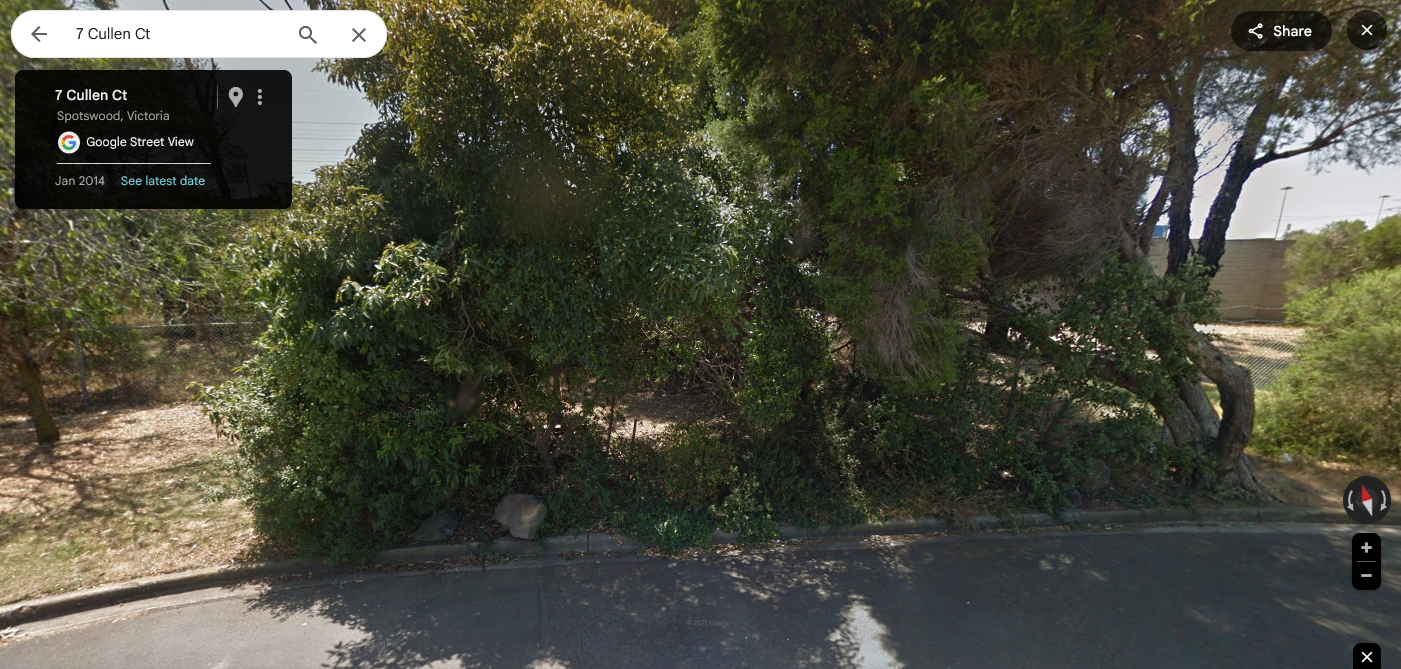
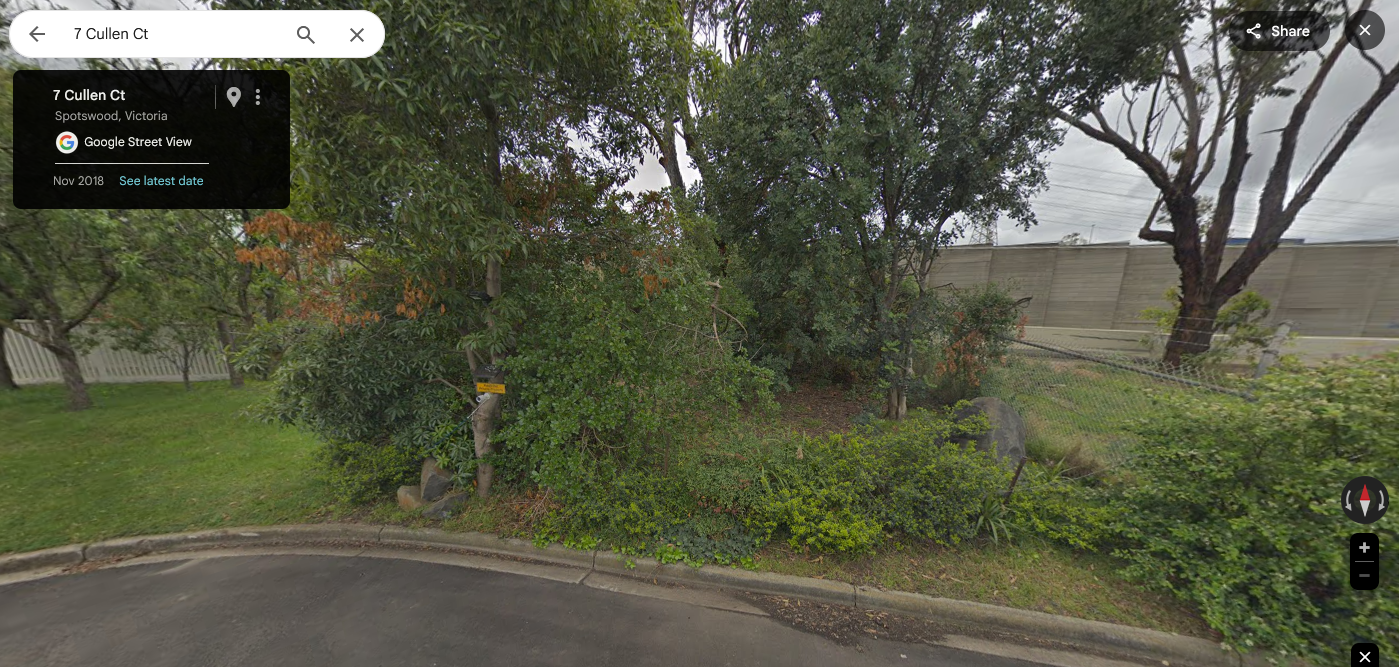
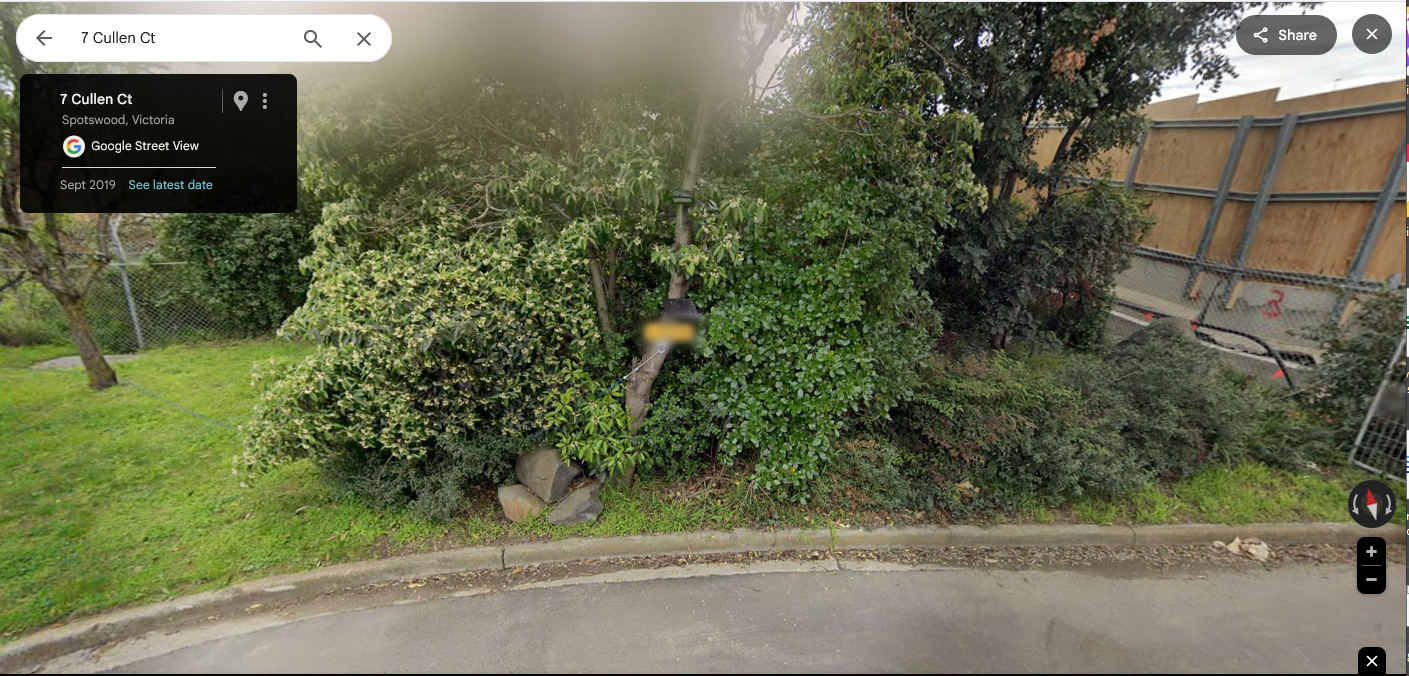
For 33 years, no objection was raised. If unmanaged vegetation directly against the road was tolerable for decades, why would clearly spaced safety bollards be viewed as unacceptable now?
This suggests not a planning concern, but a shift in perception and treatment—selective enforcement triggered only after the land was made orderly and secure.
The installation of stainless steel retractable bollards:
No government authority raised concerns when wild growth dominated the front edge of the property. Any selective enforcement of "compliance" only after site improvement is not consistent with fair or rational governance.
These images speak volumes. I invite any reasonable planning professional or compliance officer to view these photos and explain how bollards—set back further than the decades-old shrubs—present any greater risk or non-compliance.
If silence was the policy for 33 years, consistency demands silence now.